| Die Bunker des Pionierprogramms 1938 | ||||
|---|---|---|---|---|
| Regelbau-Nummer | Bezeichnung | Betonmasse (m³) | Besatzung (Mann) | in NRW |
| B1/1 | MG-Schartenstand (Eingang seitlich) | 95 | 5 | 69 |
| B1/1a | MG-Schartenstand (Eingang rückwärts) | 100 | 5 | |
| B1/2 | MG-Schartenstand (mit Gruppe flankierend) | 195 | 18 | |
| B1/2a | MG-Schartenstand (mit Gruppe frontal) | 193 | 18 | |
| B1/3 | MG-Schartenstand (mit Kleinstglocke) | 144 | 7 | |
| B1/4I | MG-Schartenstand (mit Glocke und Gruppe) | 201 | 20 | |
| B1/4II | MG-Schartenstand (mit Glocke und Gruppe) | 20 | ||
| B1/5 | Doppel-MG-Schartenstand | 158 | 10 | 1 |
| B1/5a | Doppel-MG-Schartenstand (geschlossene Sektoren) | 157 | 10 | 7 |
| B1/6 | Doppel-MG-Schartenstand (mit Gruppe) | 229 | 23 | |
| B1/7 | Doppel-MG-Schartenstand (mit Kleinstglocke) | 172 | 12 | |
| B1/8 | Doppel-MG-Schartenstand (mit Glocke und Gruppe) | 238 | 25 | |
| B1/9 | MG-Schartenstand mit Deckplatte | 102 | 5 | 5 |
| B1/10 | MG-Schartenstand mit Deckplatte (mit Gruppe) | 193 | 18 | |
| B1/10a | MG-Schartenstand mit Deckplatte (mit Gruppe) | 193 | 18 | |
| B1/11 | MG-Schartenstand mit Deckplatte (mit Glocke) | 141 | 7 | |
| B1/12 | MG-Schartenstand mit Deckplatte (mit Glocke) | 195 | 20 | |
| B1/12a | MG-Schartenstand mit Deckplatte (mit Glocke und Gruppe) | 197 | 20 | |
| B1/13 | Doppel-MG-Stand mit Deckplatte | 153 | 10 | |
| B1/14 | Doppel-MG-Stand mit Deckplatte (und Gruppe) | 226 | 23 | |
| B1/15 | Doppel-MG-Stand mit Deckplatte (und Glocke) | 218 | 12 | |
| B1/16 | Doppel-MG-Stand mit Deckplatte (und Glocke) | 235 | 25 | |
| B1/17 | MG-Stand mit Nebenscharte und Gruppe | 220 | 20 | |
| B1/18 | PAK-Schartenstand (PAK 60 Grad) | 192 | 5 | |
| B1/18a | PAK- Schartenstand (PAK 30 Grad) | 190 | 5 | |
| B1/19 | PAK- und MG-Schartenstand (PAK 60 Grad) | 230 | 10 | |
| B1/19a | PAK- und MG-Schartenstand (PAK 30 Grad) | 228 | 10 | 1 |
| B1/20 | PAK-Unterstand | 192 | 10 | |
| B1/21 | PAK-Unterstand (mit Glocke und Scharte) | 214 | 12 | |
| B1/22 | Kompanie-Gefechtsstand mit MG-Scharte | 203 | 12 | |
| B1/23 | MG-Stand mit Dreischartenturm | 131 | 5 | |
| B1/24 | MG-Stand mit Dreischartenturm (und Gruppe) | 215 | 18 | |
| B1/25 | MG-Stand mit Sechsschartenturm | 153 | 10 | |
| B1/26 | MG-Stand mit Sechsschartenturm (und Gruppe) | 225 | 23 | |
| B1/27 | Bataillons-Gefechtsstand mit Scharte | 263 | 12 | |
| B1/28 | Artillerie-Beobachtungsstand | 180 | 8 | |
| B1/28a | Artillerie-Beobachtungsstand mit Scharte | 245 | 13 | |
| C1 | MG-Schartenstand | 40,5 | 5 | 4 |
| C2 | MG-Schartenstand | 98,4 | 18 | |
| C3 | MG-Schartenstand mit Dreischartenturm | 55 | 5 | |
| C4 | MG-Stand mit Sechsschartenturm | 53,5 | 5 | 14 |
| C5 | PAK-Schartenstand (PAK 60 Grad) | 111,18 | 5 | |
| C5a | PAK- und MG-Schartenstand (PAK 30 Grad) | 109 | 5 | 9 |
| C6 | PAK- und MG-Schartenstand (PAK 60 Grad) | 144 | 10 | |
| C6a | PAK- und MG-Schartenstand (PAK 30 Grad) | 141 | 10 | |
| C7 | Doppel-MG-Schartenstand | 95 | 10 | |
| C7a | Doppel-MG-Schartenstand | 95 | 10 | |
| C8 | PAK-Unterstand mit MG-Scharte | 10 | ||
| D1 | MG-Schartenstand | 14,8 | 5 | |
| D2 | MG-Schartenstand | 14 | 5 | 104 |
| D3 | MG-Schartenstand | 11,2 | 5 | |
| D4 | MG-Schartenstand | 8,4 | 5 | |
| D5 | MG-Schartenstand mit Wellblechschalung | 14,5 | 5 | |
Die Pläne der Regelbauten des Pionierprogramms:
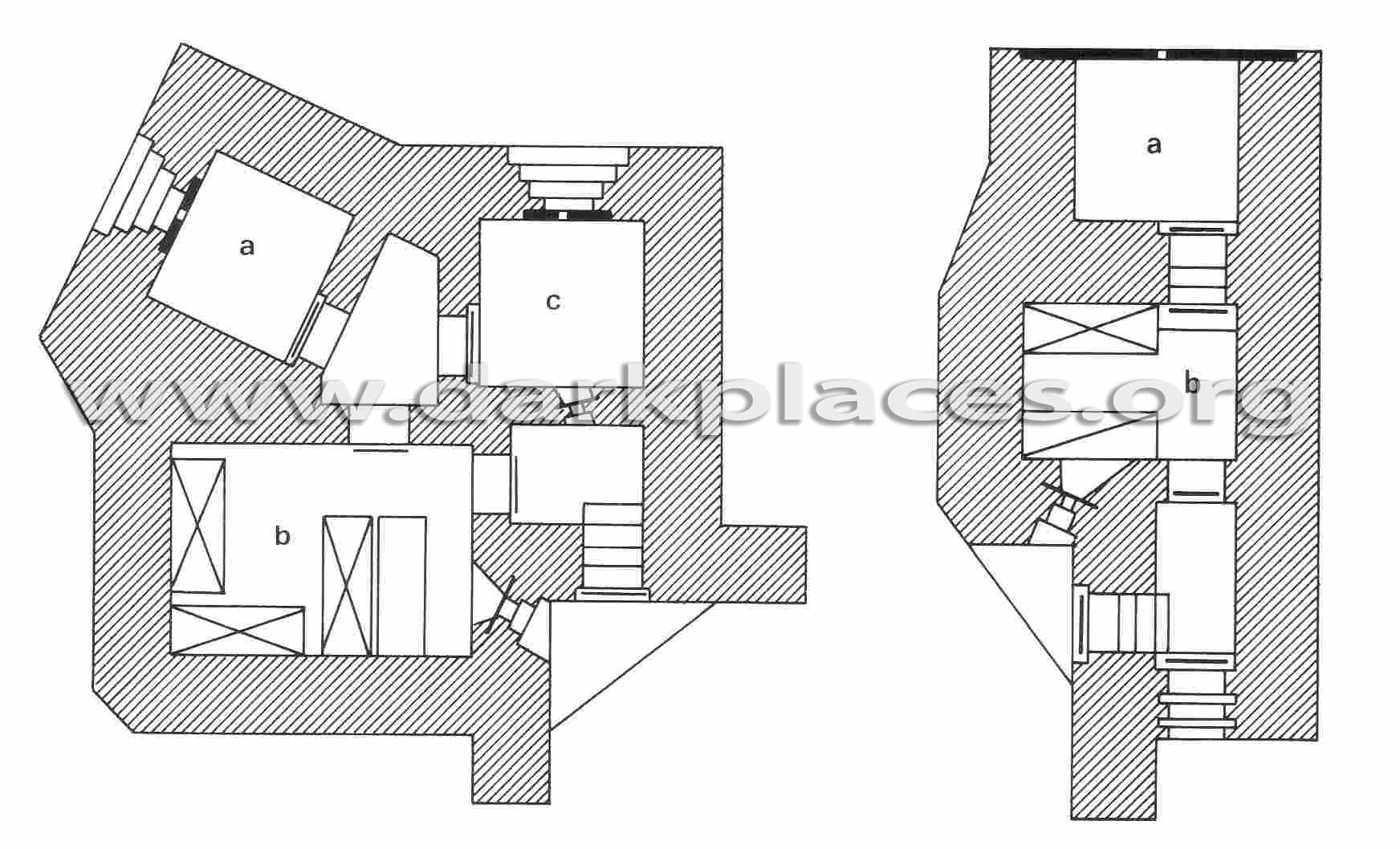
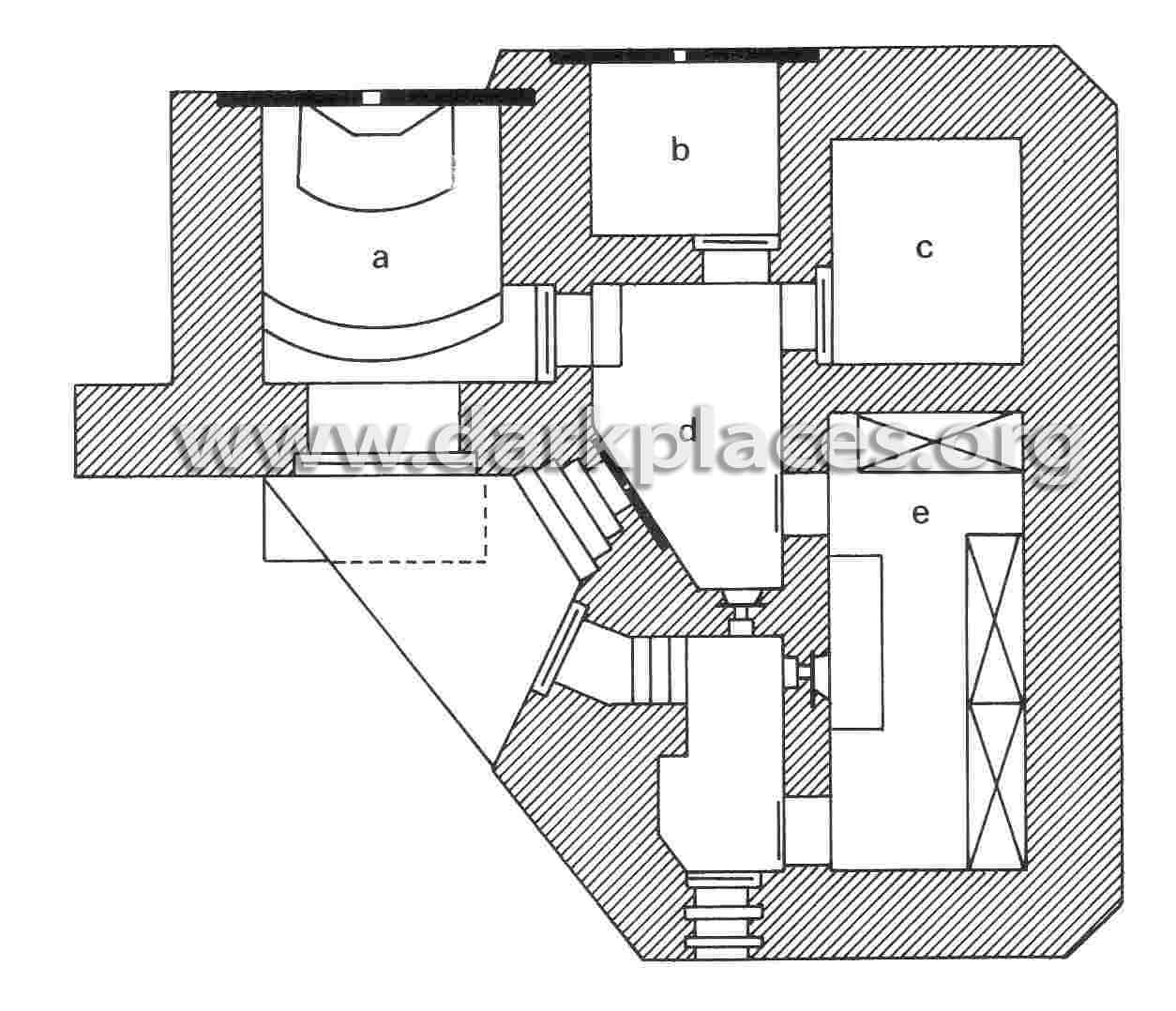
Unter den Plänen steht jeweils: 1. der Bunkertyp und 2. die Bezeichnung.
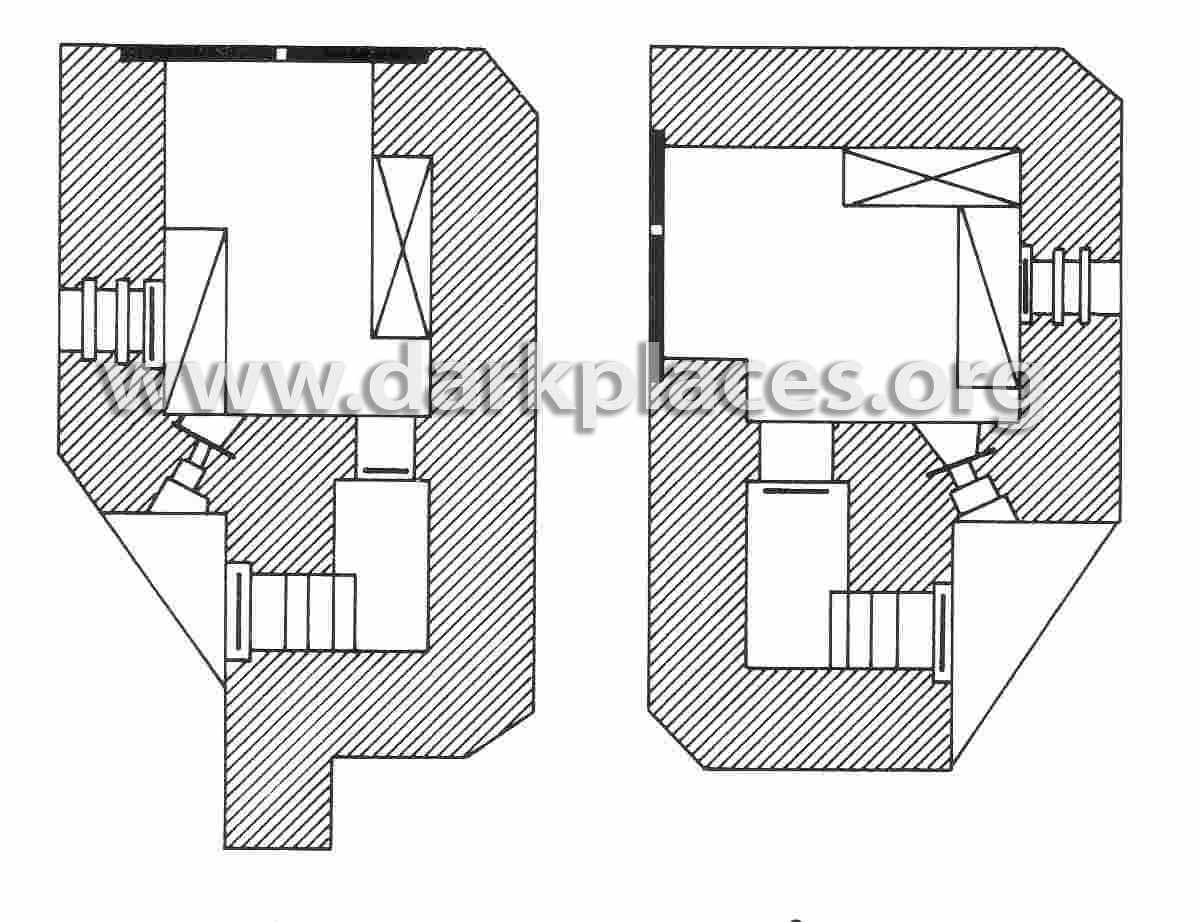
B1/1 – MG-Schartenstand (links)
B1/1a – MG-Schartenstand für flankierenden Einsatz (rechts)
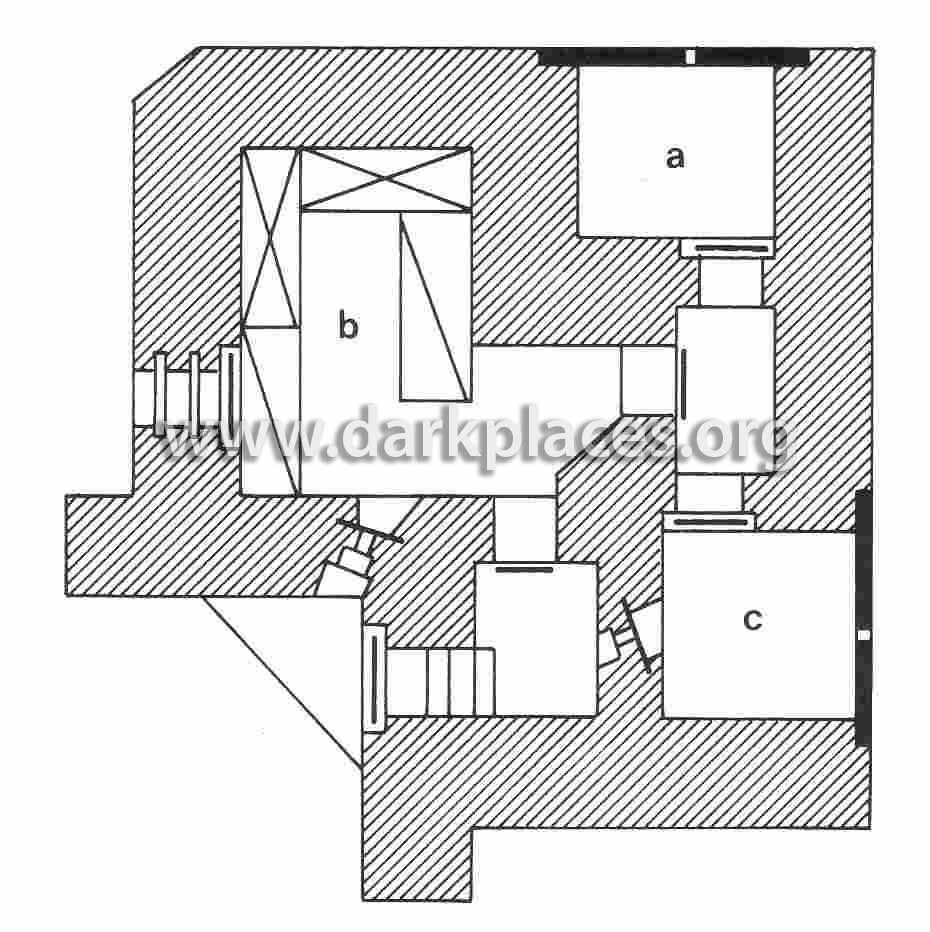
B1/5 – Doppel-MG-Schartenstand
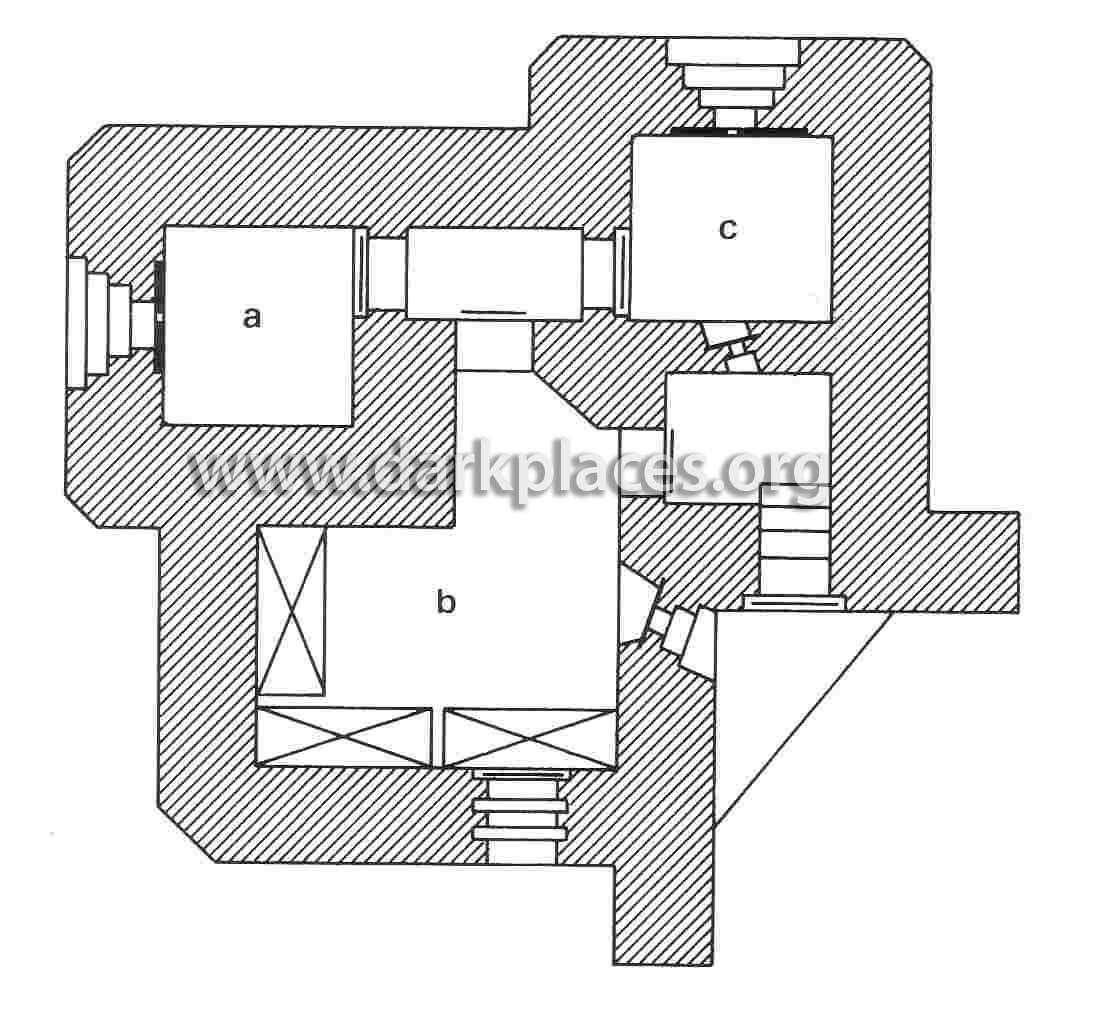
B1/5 – Doppel-MG-Schartenstand
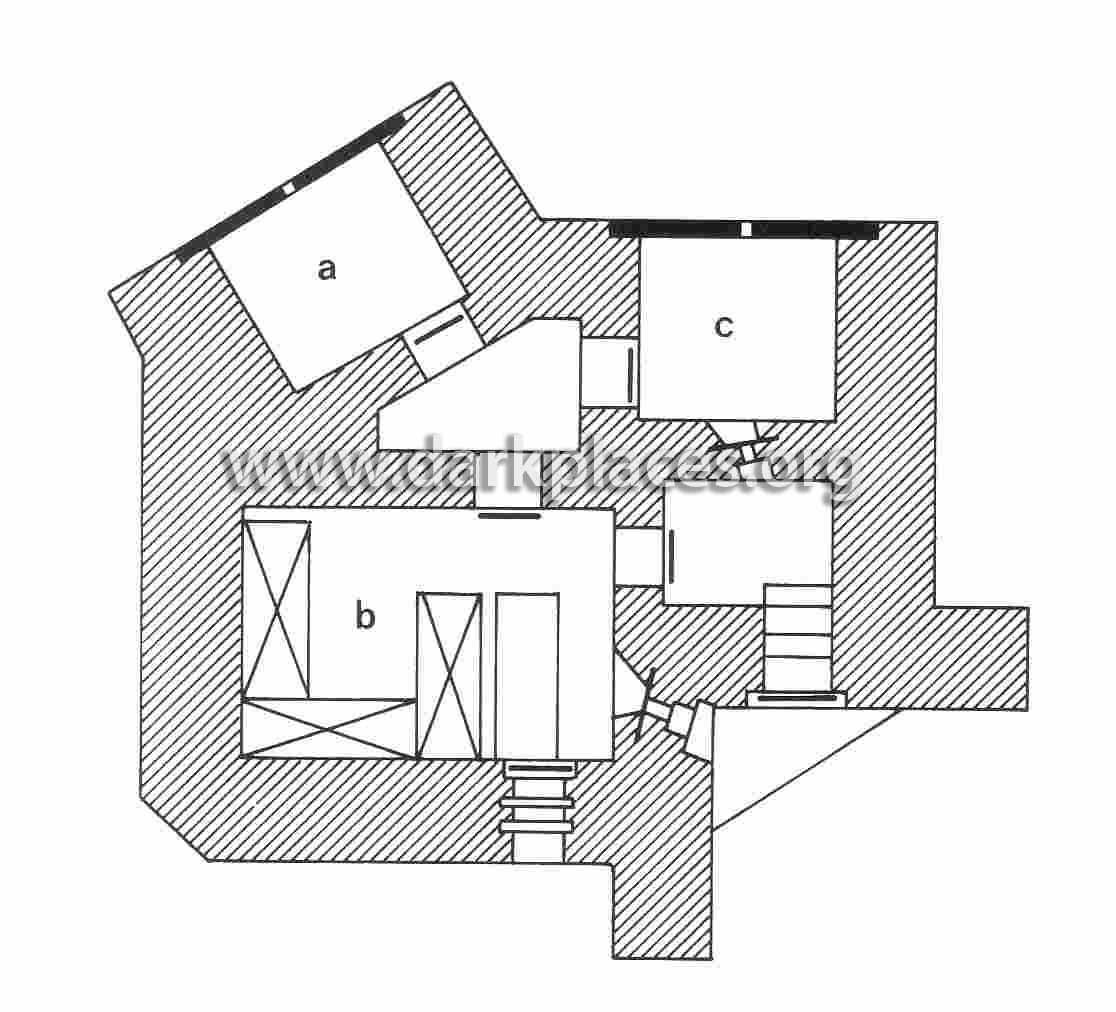
B1/5a – Doppel-MG-Schartenstand
B1/5a – Doppel-MG-Schartenstand (links)
B1/9 – MG-Schartenstand mit Deckplatte
B1/19a – PAK-Schartenstand mit MG-Kampfraum
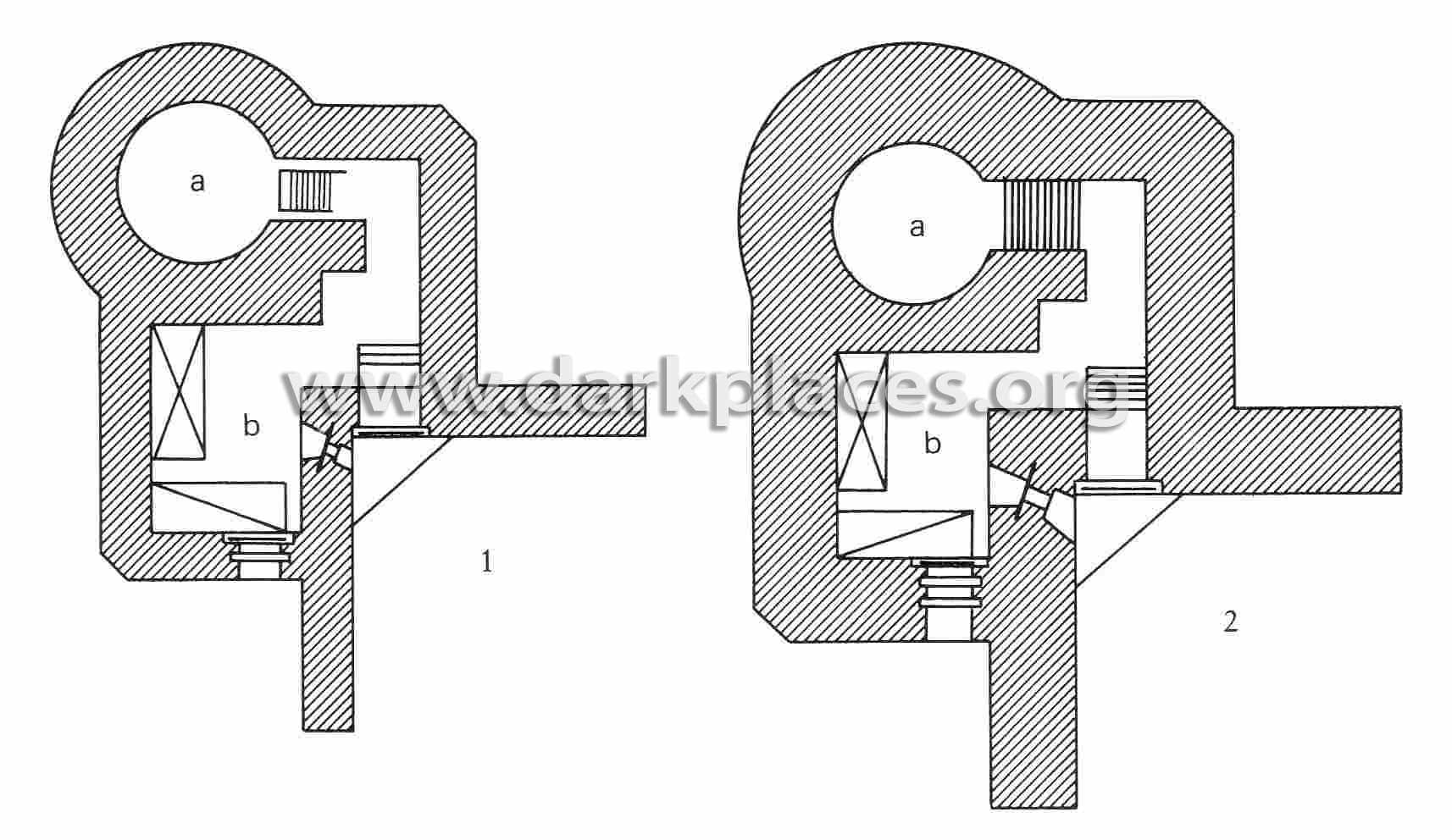
C4 – Stand mit Sechsschartenkuppel 423Po1 (links)
C4 – mit Sechsschartenkuppel auf 1 m verstärkt (rechts)
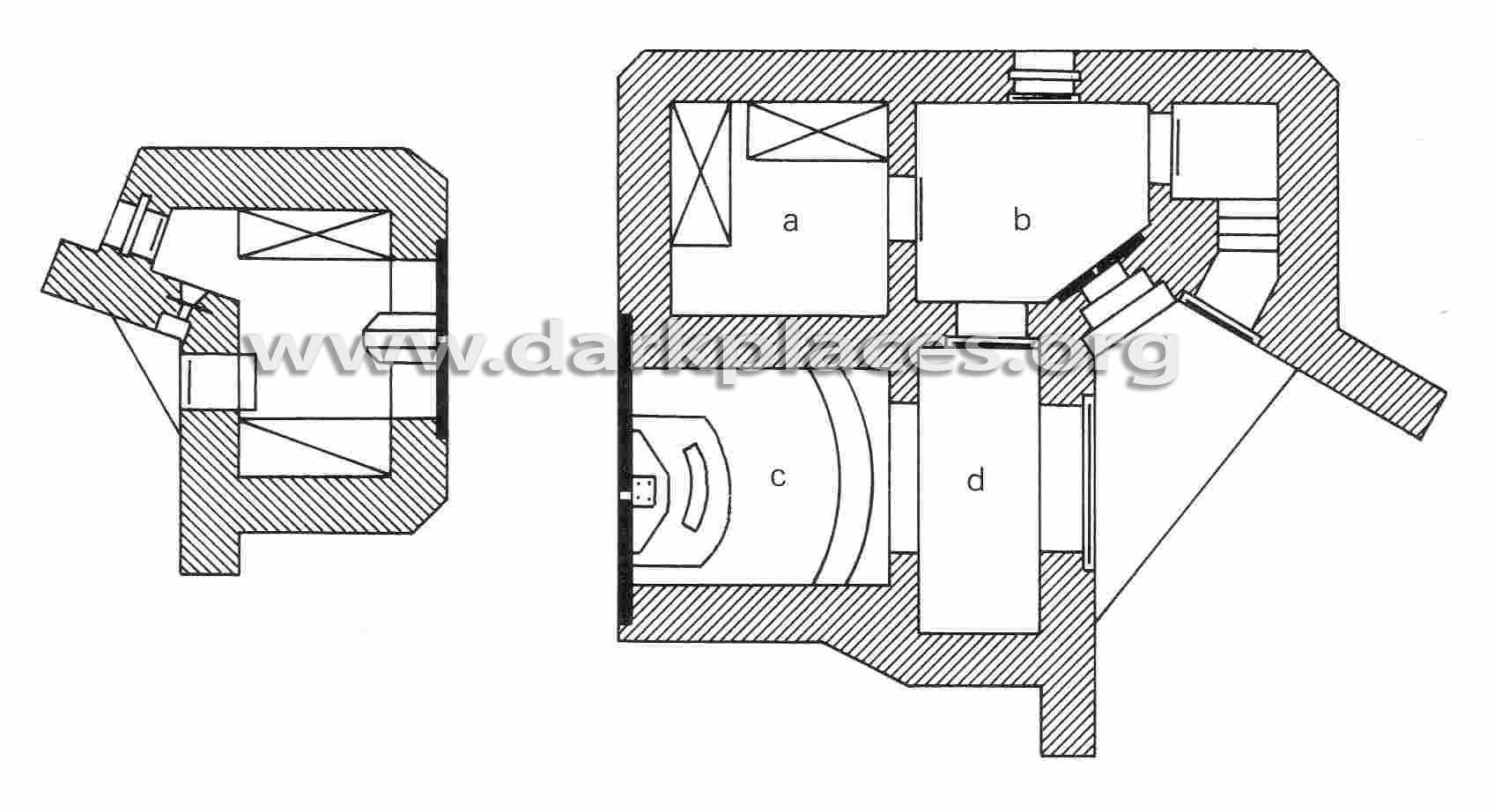
C1 – MG-Schartenstand (links)
C5a – PAK-Schartenstand (rechts)
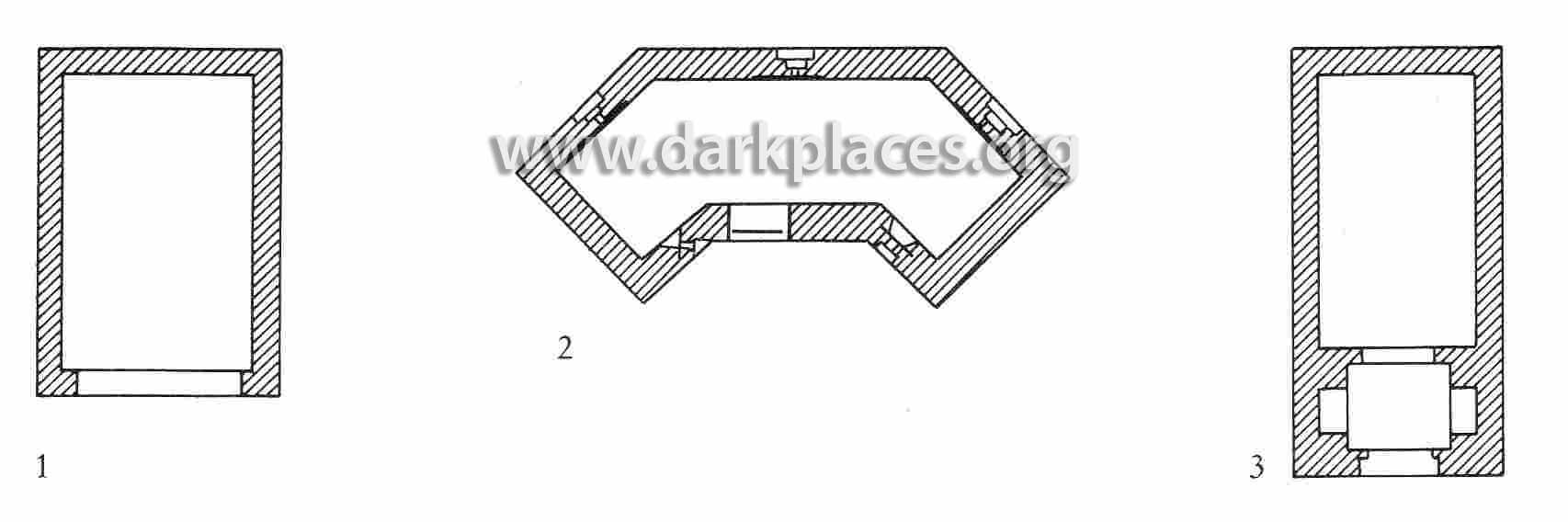
Links: PAK-Garage
Mitte: D2 Dreischartenstand für MG
Rechts: unbekannter Typ
Alle Tabellen, Dokumente und Pläne stammen aus: Groß, M.: Der Westwall, 1982.